


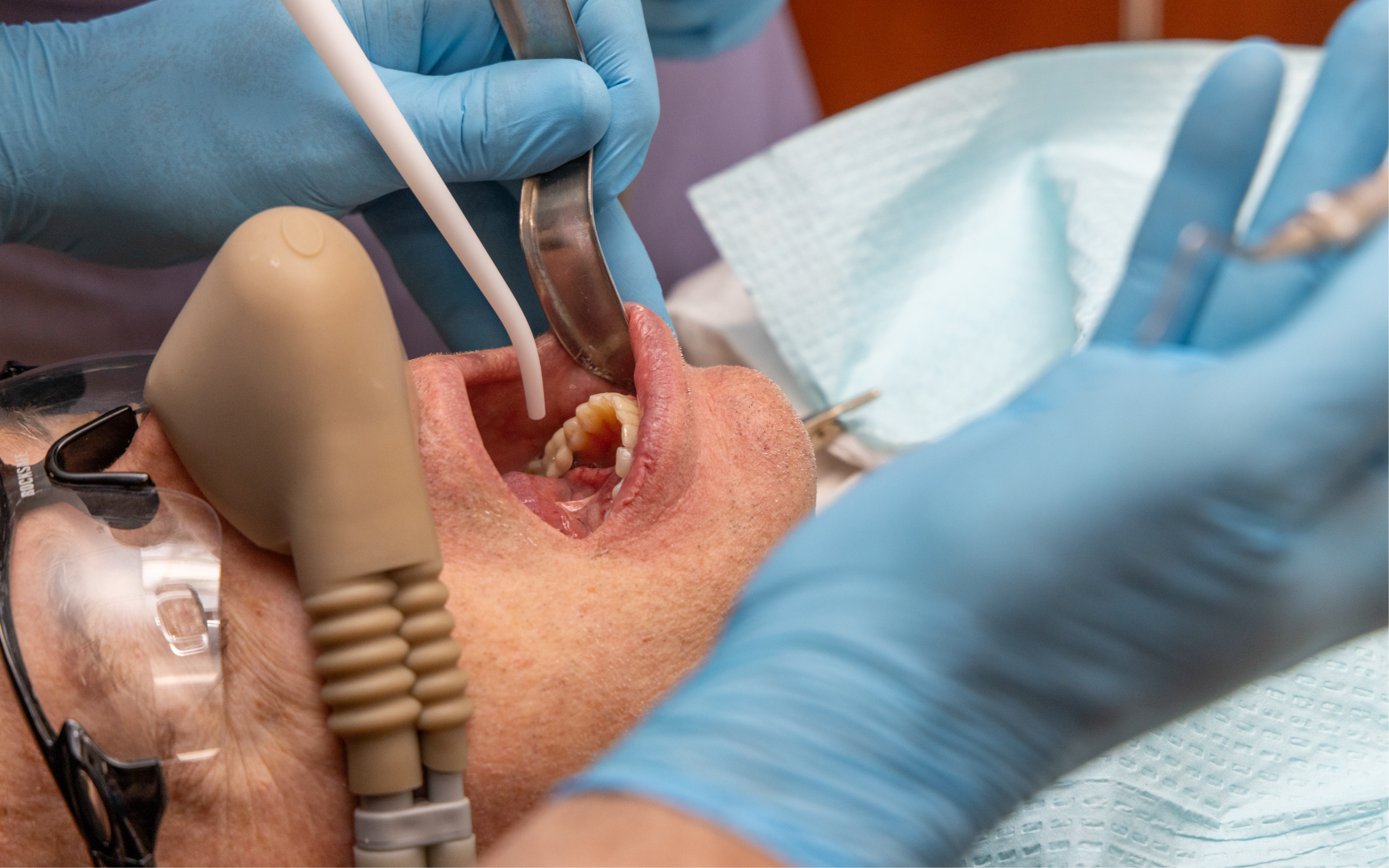
Sedation Dentistry – Sleep While We Work
Ease your fear of dental work — relax while we enhance your smile!
We provide sedation dentistry in our Vancouver office.
Sedation dentistry is used by an ever-increasing number of dentists to offer an anxiety-free and relaxing experience for qualified individuals who are receiving dental treatment. By using sedation, individuals who are afraid to get their dental care or are afflicted with what is commonly known as dental phobia can get the health care they need. Sedation is a process used to calm and relax you using various sedatives. These drugs can be administered in several different ways.
For many years, sedatives were predominately administered through an IV. While this process is both safe and effective, modern alternatives not requiring a needle, such as nitrous oxide gas, are also available.
Oral sedation is the most common sedation technique used in the United States. Because it is simple and painless, many people opt for this form of sedation. Although the patient maintains consciousness throughout the medical procedure when using oral sedation, the drug has such an effect on the brain that the patient feels a great reduction in fear and anxiety. Some people won’t remember much about the dental procedure while under the influence of oral sedation. A caregiver and driver will be required for anyone wanting to undergo oral sedation. Another benefit to oral sedation is that it can feel as if the dental treatment lasted only several minutes when it may have actually been several hours.
Sedation dentistry may be appropriate for people who:
- Have a low pain threshold
- Have a bad gag reflex
- Need extensive dental work
- Are unable to remain still in the chair
Learn About Types of Sedation Dentistry
Four Types of Sedation
Four of the most common types of sedation used by dentists today are listed below.
- Inhalation sedation: This form of sedation is more commonly known as nitrous oxide sedation. One of the primary benefits of this form of sedation is that it can be consistently regulated and has almost no side effects. You will be able to drive home shortly after the procedure.
- Oral sedation: This popular method of sedation allows you to take a sedative pill either the night before or several hours before your dental appointment. This form of sedation is known to “knock you out,” and you will have very hazy memories while you are under the influence of the drug. Oral sedation takes longer to wear off than inhalation sedation, so an escort is required to and from the dentist.
- Intravenous sedation: This is the most powerful type of sedation and is commonly used to treat moderate to severe dental anxiety. The only drawback is that the procedure requires a needle, so if you have a fear of needles, this option may not be the best for you.
- Conscious sedation: This is not commonly used anymore for general treatment. Dentists tend to reserve it for fearful children. A shot is injected into the thigh or upper arm, and the drug will take effect within a half hour.
Contact us today and speak with a staff member about what option might be right for you.
Is Sedation Dentistry Safe?
Careful Evaluation and Monitoring Matter
Sedation dentistry is commonly used in modern dental care and is considered safe when administered properly by trained professionals. Before recommending sedation, we carefully review:
- Medical history
- Current medications
- Allergies and health conditions
- Treatment complexity
- Anxiety levels
- Previous sedation experiences
Patient safety remains a priority throughout every stage of treatment. Our team explains sedation options, preparation instructions, and recovery expectations clearly before the appointment.
Who May Benefit From Sedation Dentistry?
Sedation dentistry may be appropriate for:
- Patients with moderate or severe dental anxiety
- Individuals avoiding dental treatment for long periods
- Patients undergoing lengthy procedures
- People with difficulty becoming numb
- Patients with sensory sensitivities
- Individuals with strong gag reflexes
- Patients needing multiple procedures in fewer visits
Every patient responds differently to dental care and anxiety. Sedation options are selected based on individual comfort needs and treatment goals.
What to Expect After Sedation Dentistry
Recovery depends on the type of sedation used and individual response. Some patients feel normal shortly after treatment, while others may remain drowsy for several hours.
Patients may receive instructions related to:
- Transportation arrangements
- Eating and drinking after treatment
- Activity limitations
- Medication guidance
- Follow-up care
- Recovery monitoring
Our team provides detailed instructions to help patients recover safely and comfortably after their appointment.
Why Patients Choose Padden Dental for Sedation Dentistry
Patients throughout Vancouver trust Padden Dental because we focus on patient comfort, clear communication, and personalized dental care.
Our office provides:
- Calm, supportive dental visits
- Modern dental technology
- Personalized sedation planning
- Patient-focused treatment approaches
- Thorough safety evaluations
- Clear explanations before treatment
- Comfortable care for anxious patients
We understand dental anxiety can prevent people from getting the care they need. Our goal is to help patients feel more comfortable returning to routine dental care while protecting their long-term oral health.
FAQs About Sedation Dentistry
Will I be asleep during sedation dentistry?
It depends on the type of sedation used. Many forms of sedation dentistry help patients feel deeply relaxed while remaining awake and responsive throughout treatment.
Is sedation dentistry safe for anxious patients?
Sedation dentistry is widely used and generally considered safe when carefully planned and monitored by trained dental professionals. Medical history and health factors are reviewed before treatment.
Can I drive after sedation dentistry?
Patients receiving oral or IV sedation usually need someone else to drive them home after treatment. Nitrous oxide often wears off more quickly, but instructions vary based on the type of sedation used.