


Missing teeth can make it harder to eat, change how you speak, and make you less likely to smile. Dental implants are the closest thing to getting a natural tooth back. At Padden Dental in Vancouver, WA, Dr. Eric Dahlen, DMD, plans and places dental implants in our office, using 3D imaging to plan each case carefully. We help patients from Salmon Creek, Hazel Dell, Felida, Orchards, and all of Clark County replace one tooth, several teeth, or a full arch.
Dr. Dahlen has 30 years of surgical experience, and our practice is geared toward surgery and implants. He places dental implants — including All-on-4 and All-on-6 — right here in our Vancouver, WA office, and we rarely need to refer this care out.
What Is a Dental Implant?
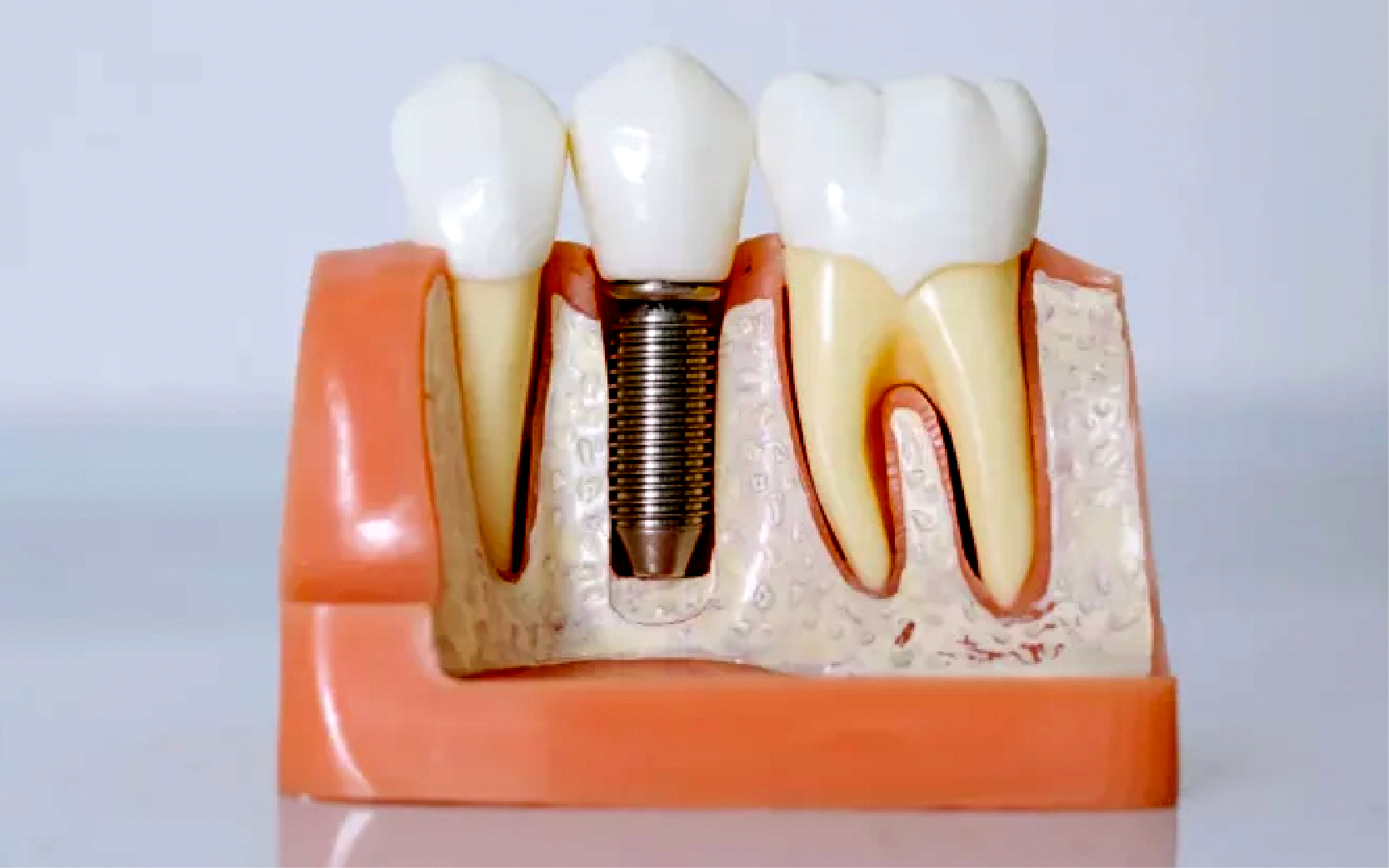
A dental implant has three parts:- The implant post, usually made of titanium, which is placed in the jawbone and acts like a tooth root. Most implants we place use a titanium post. If you are comparing materials, read zirconia vs. titanium dental implants.
- The abutment, a small connector that attaches to the post.
- The crown, bridge, or denture that you see and chew with.
Implant Options
- Single-tooth implant. Replaces one missing tooth without grinding down the teeth next to it, as a traditional bridge would.
- Implant bridge. Two or more implants support a bridge to replace several teeth in a row.
- Implant-supported dentures. Implants hold a denture firmly in place, so it does not slide or need adhesive. Read about our denture options.
- Full-arch implants (All-on-4 and All-on-6). A full arch of teeth is supported by four or six implants, placed right here in our office by Dr. Dahlen. Dr. Dahlen recommends four or six implants after an exam and 3D scan; six are often preferred for added support. Learn more in our All-on-4 vs. All-on-6 full-arch guide.
Why Patients Choose Implants
- They look and feel natural. The crown is custom-made to match your other teeth.
- They are stable. You can bite into an apple or laugh without worrying about your teeth moving.
- They protect your other teeth. Neighboring teeth do not need to be shaped to support a bridge, and implants help keep nearby teeth from drifting into the gap.
- They help preserve your jawbone. When a tooth is lost, the bone around it slowly shrinks. An implant helps keep the bone active.
- They are a long-term solution. With good home care and regular checkups, implants can last many years.
Am I a Candidate?
Most adults who are missing teeth can be evaluated for implants. Good candidates generally:- Have healthy gums, or are willing to treat gum disease first
- Have enough jawbone to support the implant (your 3D scan will show this)
- Are in good general health
- Are willing to brush, floss, and keep regular dental visits
The Implant Process at Padden Dental
1. Consultation and 3D planning. We examine your mouth, review your health history, and take a 3D CBCT scan. The scan shows the height and width of your bone and the position of nerves and sinuses so the implant can be planned precisely. 2. Preparing the site. If a damaged tooth needs to come out, or the area needs other preparation, we plan and take care of that first. If the area needs more support, Dr. Dahlen also performs bone grafting in our office. A bone graft helps preserve the jaw when a tooth is removed and can create a stronger foundation for the implant. 3. Placing the implant. The implant post is placed with local anesthesia. If you feel nervous, ask about sedation dentistry. 4. Healing. Over the next few months, the bone bonds to the implant. You may wear a temporary tooth during this time. 5. Your new tooth. Once healed, we attach the abutment and your custom crown, bridge, or denture. Every case is different. Some treatments take a few months, others longer, depending on healing and whether extra steps are needed. We will give you a timeline at your consultation.Recovery
Most patients have some soreness and swelling for a few days after implant placement. Ice packs, soft foods, and over-the-counter pain relievers usually help. We will give you clear instructions and are a phone call away during office hours if you have questions. Read more in our implant recovery guide. Patients often ask what a dental implant feels like. The short answer is that once it has healed, it should feel stable, like a tooth that does not move.Caring for Your Implants
Brush twice a day, clean between your teeth daily, and keep your regular cleanings. Implants cannot get cavities, but the gums around them can still get inflamed, so home care and checkups matter.Cost and Financing
The cost depends on how many teeth are being replaced, the type of restoration, and whether you need extractions or other preparation. We give you a written estimate before treatment. Some dental plans cover part of implant treatment, and our team can help check your benefits. If you do not have insurance, we offer a 10% discount for cash or check payments, or 5% for card payments. We also offer 6 months interest-free financing through CareCredit for qualified patients. Wondering whether insurance will help? Read are dental implants covered by insurance in Washington. We accept many plans and are in-network with many, including Delta Dental. Call us and we can help you check your benefits.Dental Implant FAQs
Does getting an implant hurt? The area is numbed during treatment, so most patients feel pressure rather than pain. Mild soreness for a few days afterward is normal. How long do implants last? With good care, the implant post can last for many years. The crown on top may eventually need to be replaced due to normal wear. Implant or bridge: which is better? It depends on your teeth, bone, and budget. Implants do not require shaping the neighboring teeth. We will explain both options at your consultation. Can I get implants if I wear dentures now? Often, yes. Implants can hold your denture firmly in place or support a fixed full-arch set of teeth. How do I get started? Call Padden Dental at (360) 213-1999 to schedule an implant consultation. We are at 8720 NE Centerpointe Dr #221, Vancouver, WA 98665, just off Padden Parkway.FAQs About Dental Implants
How long do dental implants last?
With proper care and regular dental maintenance, dental implants can remain functional for many years. The implant post itself may last decades, although restorations may eventually require replacement over time.
Are dental implants painful?
Modern implant procedures are typically performed using local anesthesia and other comfort-focused techniques. Mild soreness and swelling after surgery are common and usually temporary.
How long does the dental implant process take?
Treatment timelines vary depending on healing, bone integration, and whether additional procedures such as extractions or grafting are required. Some cases may take several months from start to finish.
You don’t want to miss out on our latest offers!