


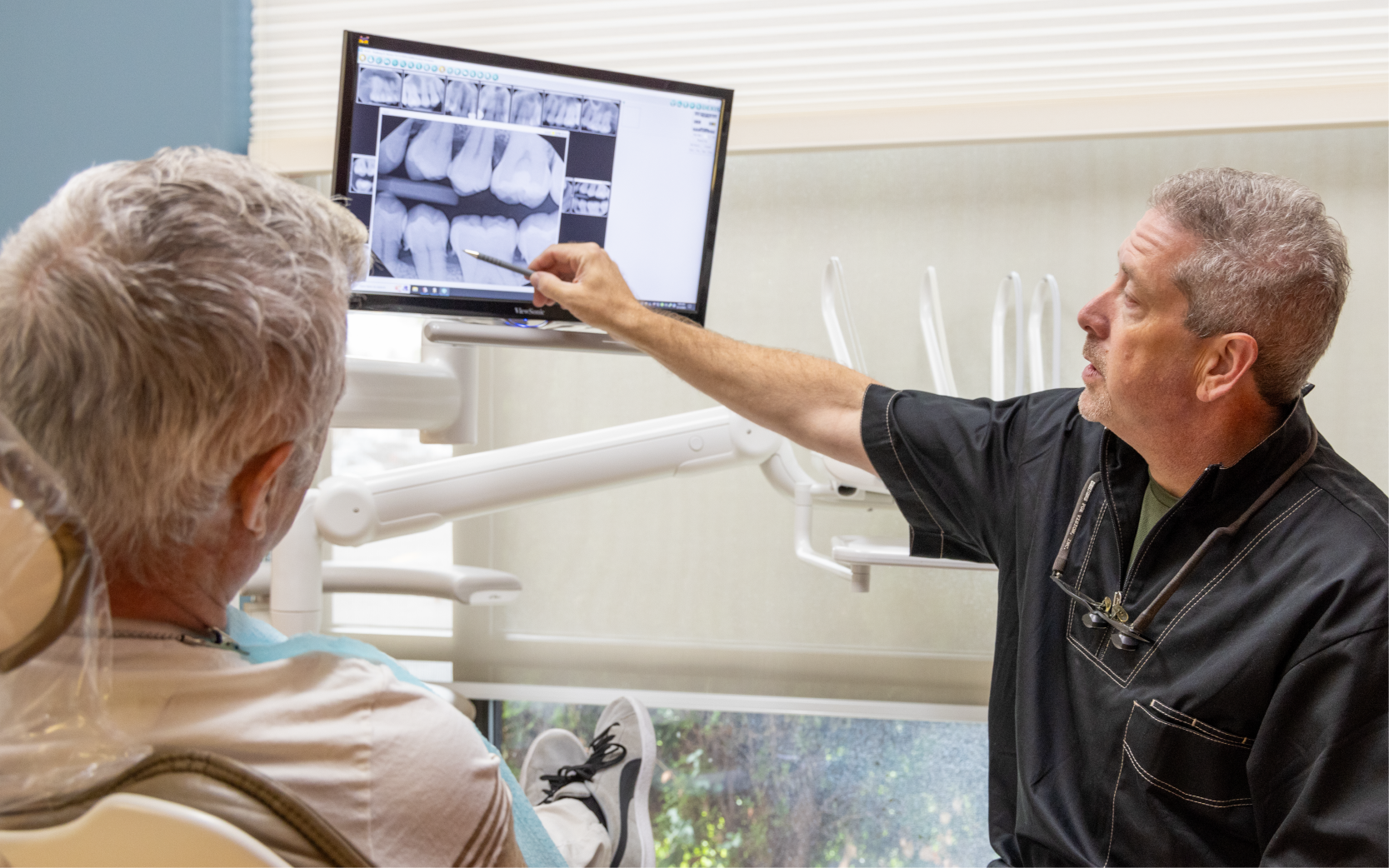
About Cavity Prevention
At Padden Dental, we help patients protect their teeth through preventive dental care focused on reducing the risk of cavities and long-term tooth decay. Cavities are one of the most common dental conditions affecting both children and adults, but many cases can be prevented with consistent oral hygiene habits, routine dental visits, and early preventive treatment.
Tooth decay often develops gradually as plaque bacteria interact with sugars and acids in the mouth, weakening tooth enamel over time. Without treatment, small cavities may eventually lead to deeper decay, infections, tooth sensitivity, or restorative dental procedures.
Our Vancouver dental team focuses on helping patients understand cavity prevention strategies that support healthier teeth and long-term oral health.
What Causes Cavities?
Understanding Tooth Decay
Cavities develop when bacteria in the mouth produce acids that gradually wear down tooth enamel. Plaque buildup, sugary foods, acidic beverages, and inconsistent oral hygiene can increase the risk of enamel breakdown and tooth decay.
Several factors may contribute to cavities, including:
- Poor oral hygiene habits
- Frequent sugary snacks or drinks
- Dry mouth
- Plaque buildup
- Acidic foods and beverages
- Irregular dental visits
- Deep grooves in teeth
- Previous cavity history
Cavities may begin without noticeable symptoms, which is why preventive dental evaluations are important for early detection.
Signs You May Have a Cavity
Symptoms Patients Should Not Ignore
Some cavities are discovered during routine dental exams before symptoms appear. However, patients may notice:
- Tooth sensitivity
- Pain while chewing
- Visible dark spots on teeth
- Toothaches
- Sensitivity to sweets, heat, or cold
- Rough areas on teeth
- Food getting trapped in certain areas
Early treatment is often simpler and less invasive than treating more advanced tooth decay.
Preventing Cavities: Essential Tips for Healthy Teeth
Cavities, also known as tooth decay, can be prevented with good oral hygiene practices and a healthy diet. Follow these steps to protect your teeth:
1. Brush and Floss Regularly
- Brush your teeth twice a day for at least two minutes each time.
- Use fluoride toothpaste to strengthen enamel and protect against decay.
- Floss or use soft toothpicks once a day to remove plaque and food particles from between teeth.
2. Eat a Healthy Diet
- Consume nutrient-rich foods, including those high in calcium, phosphorus, and vitamin D.
- Limit sugary foods and drinks like candy, soda, and other processed snacks.
- Focus on teeth-friendly foods like:
- Cheese: Neutralizes acid and strengthens enamel
- Vegetables and Fresh Fruits: Stimulate saliva production.
- Unsweetened Coffee or Tea: Reduces harmful bacteria.
- Avoid frequent snacking to give your teeth a break from acid exposure.
3. Visit the Dentist Regularly
- Schedule dental checkups at least twice a year to catch cavities early.
- Ask your dentist about dental sealants to protect the grooves of your back teeth.
Why Routine Dental Visits Matter
Early Detection Supports Better Outcomes
Many cavities develop quietly without pain during the early stages. Regular dental exams allow our team to identify small areas of decay before they progress deeper into the tooth structure.
Early treatment often helps:
- Preserve more natural tooth structure
- Reduce treatment complexity
- Lower long-term dental costs
- Prevent infections
- Avoid tooth pain and sensitivity
Preventive dental care remains one of the most important parts of maintaining long-term oral health.
Why Patients Choose Padden Dental for Preventive Dentistry
Patients throughout Vancouver trust Padden Dental because we focus on prevention, education, and personalized dental care designed to support healthier smiles over time.
Our office provides:
- Preventive dental evaluations
- Professional cleanings
- Fluoride treatments
- Digital dental imaging
- Patient education and hygiene guidance
- Personalized cavity prevention planning
- Long-term oral health support
We help patients understand how preventive habits and early dental care work together to protect natural teeth for years to come.
FAQs About Cavity Prevention
How can I lower my risk of cavities?
Brushing twice daily, flossing regularly, limiting sugary foods and drinks, and attending routine dental cleanings are important steps for reducing cavity risk.
Are cavities reversible?
Very early enamel weakening may sometimes be improved with fluoride and preventive care before an actual cavity forms. Once decay creates permanent tooth damage, restorative treatment is usually needed.
Do adults still get cavities?
Yes. Adults of all ages can develop cavities, especially around existing dental work, exposed roots, or areas that are difficult to clean properly.
Notes
Why Cavities Happen
Even with the best care, no one is completely risk-free from cavities. This is because bacteria and acids naturally exist in the mouth from eating and drinking. However, consistent dental care and healthy habits can significantly reduce the likelihood of tooth decay.
Concerned about cavities? Schedule an appointment by giving us a call at
(360) 213-1999, or emailing us at: info@paddendental.com.
We look forward to meeting you!