


Having a tooth pulled is rarely anyone’s idea of a good day. So when your dentist mentions adding a bone graft at the same visit, it’s natural to wonder whether it’s really necessary. Is it an extra step you can skip, or something that matters for your smile down the road?
The honest answer is that it depends on your tooth, your jaw, and your plans for replacing the tooth. This guide explains what a bone graft after a tooth extraction does, who benefits most, and what to expect if you have one at Padden Dental in Vancouver, WA.
What Happens to Your Jaw After a Tooth Is Removed
Your teeth do more than help you chew. Their roots also keep the jawbone around them active and healthy. Every time you bite down, the root sends a signal to the bone that it’s still needed.
When a tooth is removed, that signal stops. Over the months that follow, the bone where the tooth used to be often begins to shrink, both in height and in width. You won’t feel it happening, but over time it can:
- Leave a dip or a thin ridge in the gums where the tooth used to be
- Let neighboring teeth drift or tip into the gap
- Change how your bite fits together
- Make it harder to place a dental implant later
This is why the time right after an extraction is so important for anyone who might want to replace the tooth.
What Is a Bone Graft After an Extraction?
A bone graft placed at the time of an extraction is often called socket preservation. After the tooth is gently removed, the dentist fills the empty socket with bone graft material and covers the area so it can heal.
Over the following months, your body uses the graft as a framework and gradually grows its own new bone in its place. The result is a fuller, sturdier ridge of bone where the tooth used to be, which is exactly what a future implant needs.
Think of it like keeping the foundation in place after a house comes down. If you plan to build again, it’s much easier when the foundation is still there.
Do You Need One? It Depends on Your Plans
Not every extraction needs a bone graft. Here are the situations where your dentist is most likely to recommend one.
A graft is often a good idea if:
- You plan to replace the tooth with a dental implant
- The tooth is in the front of your mouth, where the shape of the gums affects your smile
- The tooth had an infection or gum disease that has already caused some bone loss
- The roots were large, leaving a sizable socket behind
A graft may not be needed if:
- You’re having a wisdom tooth removed and don’t plan to replace it
- The tooth is being removed for orthodontic reasons
- You plan to replace the tooth with an option that doesn’t rely on the jawbone in the same way
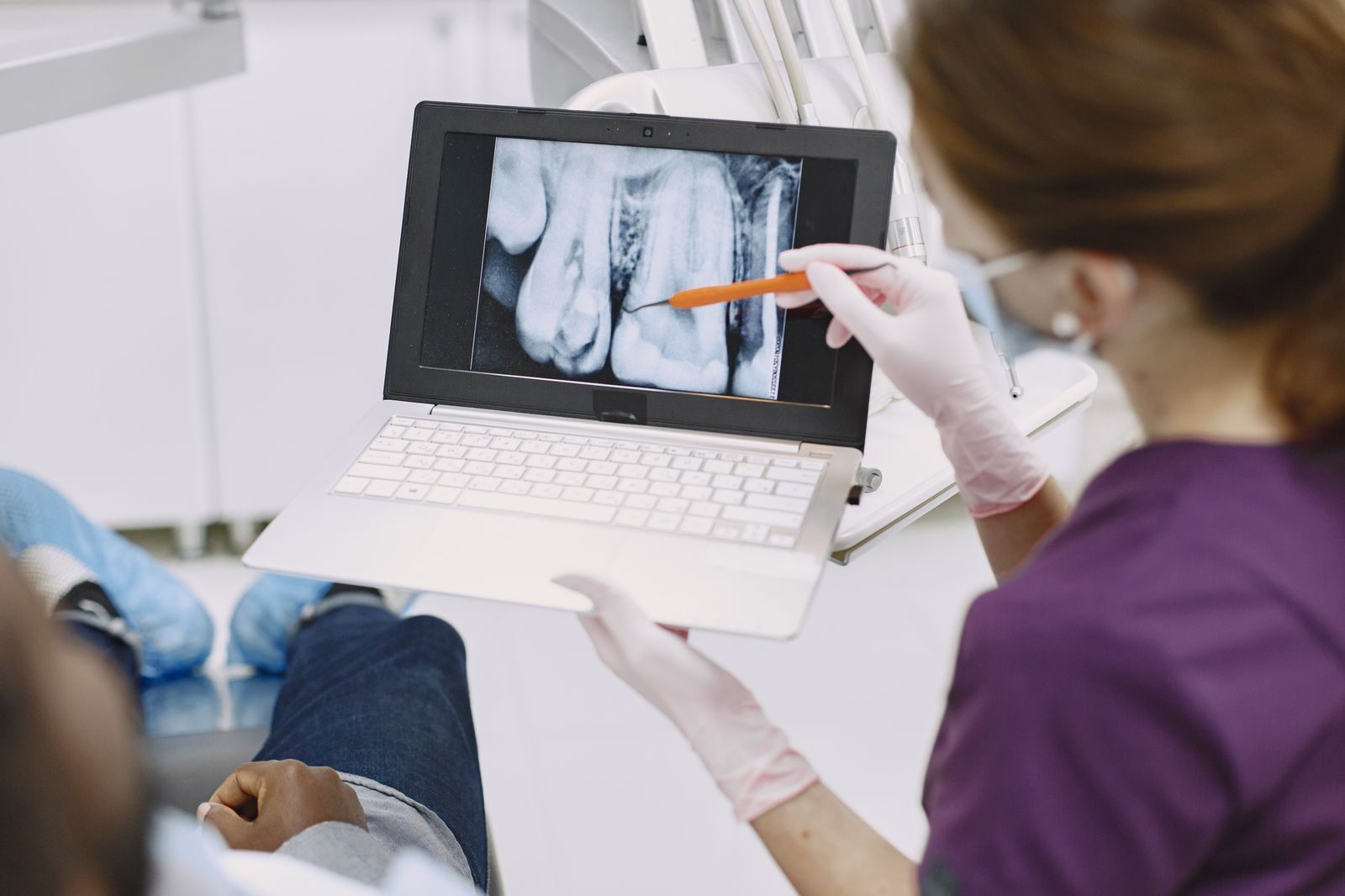
During your exam, the dentist will look at your X-rays and talk with you about your goals. If you’re unsure whether you want an implant someday, ask about it before the extraction. It’s much simpler to save the bone now than to rebuild it later.
Bone Grafting and Dental Implants
A dental implant is a small post placed in the jawbone that acts like a new tooth root. For an implant to be stable, it needs enough healthy bone around it. That’s why a bone graft after an extraction is so often the first step toward an implant.
At Padden Dental, implants are placed right here in our office, including full-arch options like All-on-4 and All-on-6. Bone grafting, most extractions, and wisdom tooth removal are also done in-house, so your care stays with one team from the extraction through your new tooth. Dr. Eric Dahlen brings 30 years of surgical experience to these procedures, and we rarely need to refer patients elsewhere.
Learn more about dental implants in Vancouver, WA and how the process works from start to finish.
What to Expect on Graft Day
If you and your dentist decide a graft makes sense, it’s usually done in the same appointment as the extraction. Here’s a typical visit:
- Numbing and comfort. The area is numbed so you feel pressure, not pain. If you’re anxious, we offer nitrous oxide (laughing gas) and oral sedation to help you relax.
- Gentle extraction. The tooth is removed carefully to protect the surrounding bone and gums.
- Placing the graft. The socket is cleaned and filled with graft material.
- Closing the site. The area is covered and sometimes closed with a few stitches to protect the graft while it heals.
You can see the full range of procedures we handle on our oral surgery services page.
Healing at Home
Recovery from a graft is usually similar to recovery from a regular extraction. A few tips help the site heal well:
- Rest for the remainder of the day and avoid heavy exercise for a couple of days
- Stick with soft, cool foods at first and chew on the other side
- Avoid using straws, spitting forcefully, or smoking, since these can disturb the healing site
- Use ice packs on the outside of your cheek to help with swelling
- Follow your dentist’s instructions for brushing, rinsing, and any medication
It’s normal to notice a few tiny grains of graft material in your mouth during the first few days. If you have questions while you heal, call our office during business hours.
Insurance and Payment
Coverage for bone grafting varies from plan to plan. Padden Dental is in-network with Delta Dental, and we work with many other major plans. Our team will check your benefits and go over your options before treatment.
If you don’t have dental insurance, we offer a $59.99 new-patient special for cash patients without insurance, 10% off for cash or check payments or 5% off with a card, and six-month financing through CareCredit. See our new-patient offers for details.
Frequently Asked Questions
Is a bone graft after tooth extraction necessary?
Not always. It’s most helpful if you plan to get a dental implant, if the tooth is in a visible area, or if you’ve already lost some bone. Your dentist will help you decide based on your X-rays and your goals.
Does a bone graft hurt?
The area is numbed during the procedure, and most patients say recovery feels much like a regular extraction. Nitrous oxide and oral sedation are available if you feel nervous.
Can I get an implant later if I skip the graft?
Often, yes, but if the bone shrinks too much, you may need a larger graft before an implant can be placed. Saving the bone at the time of extraction can make the implant process simpler.
Where is the bone graft done?
Right here in our Vancouver office. Dr. Dahlen performs bone grafting, extractions, and implants in-house, so you don’t need to visit a separate office.
Talk With Us Before Your Extraction
If you have a tooth that needs to come out, or you’re thinking about replacing a missing tooth, we’re happy to talk through your options. Call Padden Dental at (360) 213-1999 to schedule a consultation with Dr. Dahlen.
Padden Dental
8720 NE Centerpointe Dr #221, Vancouver, WA 98665
(360) 213-1999
Monday–Thursday, 8:00 a.m. to 5:00 p.m. | Friday, 8:00 a.m. to 4:00 p.m.